anon_zuza said in #4862 10mo ago:
There's a cycling through history, and what is happening today isn't all that dissimilar from what happened a century ago. And that isn't all that different from the century before that.
Storytelling hasn't changed much. And even 100 years ago, there have been masterpieces of film. We can go back to the telling of stories that were appropriate for the time, created by people who had the memory from just a century before.
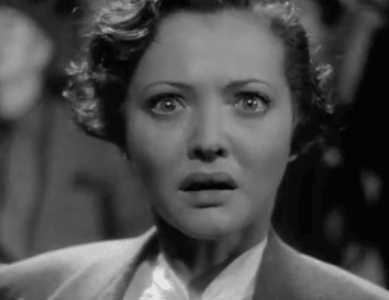
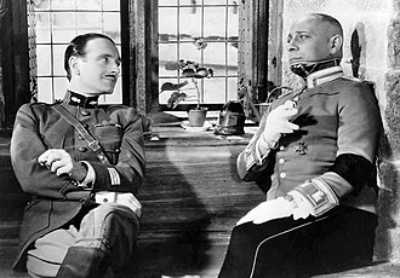
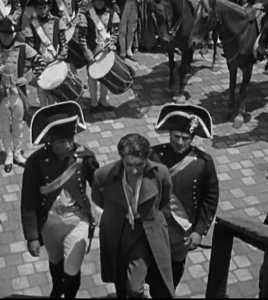
Charles Dickens told the story of French Revolution in his Tale of Two Cities, and his story was retold in film in the 1935 https://en.wikipedia.org/wiki/A_Tale_of_Two_Cities_(1935_film) It provided a common sense visceral story of how runaway ideologies work. It's worth seeing: it's much more appropriate for the present time than what you'd think.
What else would extend the relevant memories that are appropriate for the present time?
Storytelling hasn't changed much. And even 100 years ago, there have been masterpieces of film. We can go back to the telling of stories that were appropriate for the time, created by people who had the memory from just a century before.
Charles Dickens told the story of French Revolution in his Tale of Two Cities, and his story was retold in film in the 1935 https://en.wikipedia.org/wiki/A_Tale_of_Two_Cities_(1935_film) It provided a common sense visceral story of how runaway ideologies work. It's worth seeing: it's much more appropriate for the present time than what you'd think.
What else would extend the relevant memories that are appropriate for the present time?
There's a cycling th