anon_mwvi said in #5412 5mo ago:
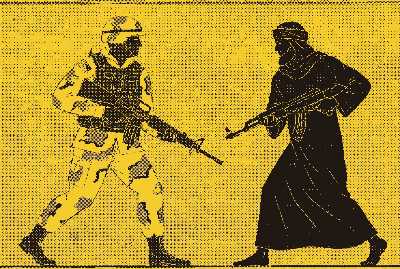
I've been thinking alot recently about the future of literature and poetry. I've landed on the idea that literature in of itself is not dead as a form despite what anyone says about post-literate society yadah yadah yadah but just the result of no relevant literature being produced for our own era. Every MFA-written acclaimed novel is basically the same stuff written up to the 1960s with just cellphones added to make it clear that it is 'present day'. Great writers of the past (like Balzac, Stendhal, Dostoevsky) captured their own period intimately and had unmatched understanding of the psychologies of their own period.
So I'm always on the lookup for works that confirm this thesis. Literature that treats our time period with the same seriousness as great writers of the past treated theirs. Wanted to share this epic poem project I came across. Many here will find it compelling. I think the technical aspects of the work are strong and there is clear commitment to producing good poetry. It's pretty exciting stuff. Give it a read.
https://fallujiad.substack.com/
> The Fallujiad is an attempt to wake the form of the sincere Western epic poem. It spans the period from the initial American invasion of Iraq in 2003 to the ultimate near-total destruction of the city in November of 2004.
>Like the post-Alexandrian versions of the Iliad, it consists of twenty-four books. Like Dante’s Divine Comedy, it consists of one hundred cantos. The highest level of organization in the Fallujiad is the cantica. The Fallujiad consists of two of these cantiche. Each cantica contains twelve books and fifty cantos.
> The Fallujiad is the story of two sides of the fight for Fallujah. The closest thing it has to a protagonist is an Iraqi man. Still, it is an American story. I am an American. I write from the land of the invaders in the invader language alone, just as Homer wrote his Trojans speaking Greek just like his Achaeans. There is no literal language barrier in the myth-world of the Fallujiad. There is a barrier of customs, values, information, and ideals, and that alone is more than enough to send things to Hell.
Here are some particularly good Stanzas:
> A thousand years on balmy, sun-baked edge
> Of gentle and replete Euphrates shore
> Saw metropolitan high order spring
> Near-boundless from the keepers of the place,
> So much that when Herodotus arrived
> As cataloger of the ancient world
> To gawk and with an honest heart inqui’r
> As to the ways of law-sure Babylon
> He saw a place as engineered and carved
> As any that existed on the Earth.
> Euphrates, goddess that she was, had been
> Domesticated with the great canals
> And waterworks to nourish teeming crops
> To feed the artists, scholars, priests, and king.
>“Before that fort was built,” came bellowed words
> From high imam and jurist, old Nazzal,
> With finger outstretched to Turkish site,
> “There was Allah, and so there will be hence
> When these Americans have been repelled.
> This Bush the Younger, infidel he is,
> Believes that he is Hulagu reborn.
> He thinks Islam is weak, and that our wealth
> Of oil, which, in wisdom, God provides,
> Can be sucked dry by his great war machine,
> But Bush does not know what Allah will grant
> In strength and cleverness to any man,
> No matter how imperious his foe,
> If he avows to follow the Quran.
> I tell you now, Fallujah is the key
> And bulwark for the freedom of Islam
> Because we are a noble Sunni town
> With knowledge of the ways of modern war.
> So, if the Shiite rascals in the South
> Defect from us and shamefully abet
> The efforts of the infidel campaign
> As legend says they did in Mongol times,
> And if old, greedy, fat Baghdad submits
> To occupier terror once again,
> Fallujah will remain a source of light,
> Alone, if need be, taking on the oath
> To keep Islam alive in these dark days.”
So I'm always on the lookup for works that confirm this thesis. Literature that treats our time period with the same seriousness as great writers of the past treated theirs. Wanted to share this epic poem project I came across. Many here will find it compelling. I think the technical aspects of the work are strong and there is clear commitment to producing good poetry. It's pretty exciting stuff. Give it a read.
https://fallujiad.substack.com/
> The Fallujiad is an attempt to wake the form of the sincere Western epic poem. It spans the period from the initial American invasion of Iraq in 2003 to the ultimate near-total destruction of the city in November of 2004.
>Like the post-Alexandrian versions of the Iliad, it consists of twenty-four books. Like Dante’s Divine Comedy, it consists of one hundred cantos. The highest level of organization in the Fallujiad is the cantica. The Fallujiad consists of two of these cantiche. Each cantica contains twelve books and fifty cantos.
> The Fallujiad is the story of two sides of the fight for Fallujah. The closest thing it has to a protagonist is an Iraqi man. Still, it is an American story. I am an American. I write from the land of the invaders in the invader language alone, just as Homer wrote his Trojans speaking Greek just like his Achaeans. There is no literal language barrier in the myth-world of the Fallujiad. There is a barrier of customs, values, information, and ideals, and that alone is more than enough to send things to Hell.
Here are some particularly good Stanzas:
> A thousand years on balmy, sun-baked edge
> Of gentle and replete Euphrates shore
> Saw metropolitan high order spring
> Near-boundless from the keepers of the place,
> So much that when Herodotus arrived
> As cataloger of the ancient world
> To gawk and with an honest heart inqui’r
> As to the ways of law-sure Babylon
> He saw a place as engineered and carved
> As any that existed on the Earth.
> Euphrates, goddess that she was, had been
> Domesticated with the great canals
> And waterworks to nourish teeming crops
> To feed the artists, scholars, priests, and king.
>“Before that fort was built,” came bellowed words
> From high imam and jurist, old Nazzal,
> With finger outstretched to Turkish site,
> “There was Allah, and so there will be hence
> When these Americans have been repelled.
> This Bush the Younger, infidel he is,
> Believes that he is Hulagu reborn.
> He thinks Islam is weak, and that our wealth
> Of oil, which, in wisdom, God provides,
> Can be sucked dry by his great war machine,
> But Bush does not know what Allah will grant
> In strength and cleverness to any man,
> No matter how imperious his foe,
> If he avows to follow the Quran.
> I tell you now, Fallujah is the key
> And bulwark for the freedom of Islam
> Because we are a noble Sunni town
> With knowledge of the ways of modern war.
> So, if the Shiite rascals in the South
> Defect from us and shamefully abet
> The efforts of the infidel campaign
> As legend says they did in Mongol times,
> And if old, greedy, fat Baghdad submits
> To occupier terror once again,
> Fallujah will remain a source of light,
> Alone, if need be, taking on the oath
> To keep Islam alive in these dark days.”
referenced by: >>5413 >>5415
I've been thinking a