anon_naba said in #5330 5mo ago:
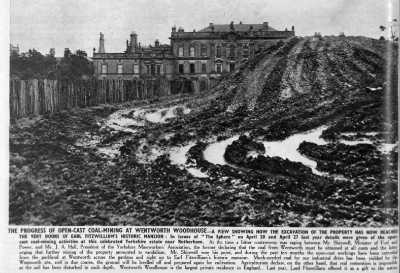
Can an argument be made that the ecological destruction that humans have done lies mostly with the turning of power from the aristocracy to the bourgeoise? While there are cases about how the aristocracy led to the extinction of some animals (like some for their plume feathers), the general ethos of the aristocracy (meaning the best rulers in Latin) is that they are the protectors of society, and in many cases upholders of a world that heaven, God, or another spiritual entity has created. With the bourgeoise taking power in 19th century Europe this might have changed with the capitalists holding no allegiance to protect anything other than their interests, leading them to freely destroy the environment (leading to events such as the great stink in England).
Note I’m not saying that not saying that the medieval nobles are these nature loving hippies who danced in circles around trees wearing flower crowns, but that at least the claim of their purpose in society prevented them from engaging in similarly atrocious behaviors as the bourgeoise in the Industrial Revolution.
Note I’m not saying that not saying that the medieval nobles are these nature loving hippies who danced in circles around trees wearing flower crowns, but that at least the claim of their purpose in society prevented them from engaging in similarly atrocious behaviors as the bourgeoise in the Industrial Revolution.
referenced by: >>5336
Can an argument be m